

Bar Chairs in Dubai — Pull Up a Seat at the Island
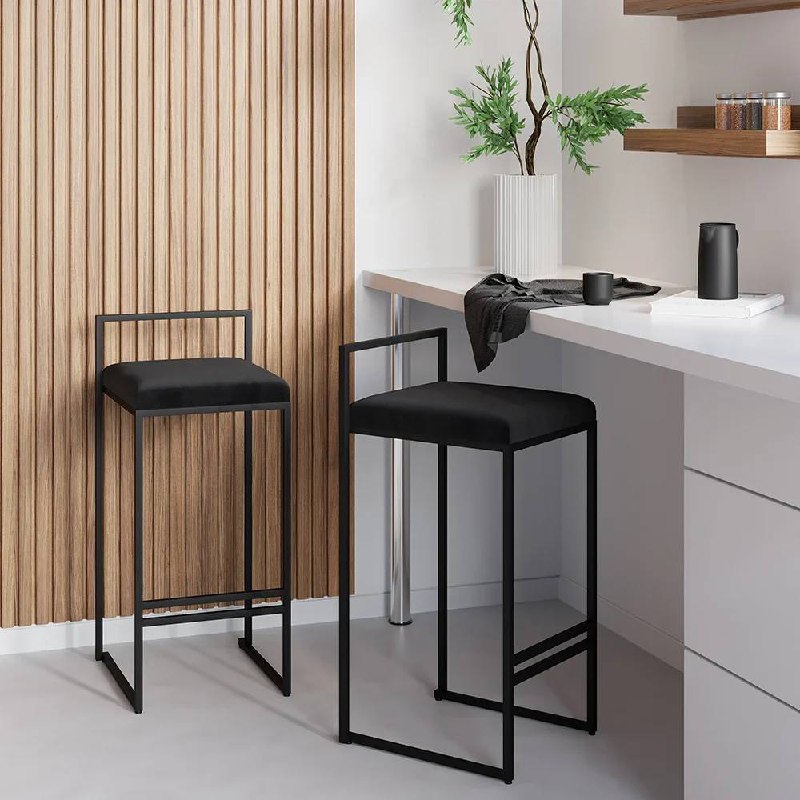
The kitchen island is where everyone ends up — coffee in the morning, homework in the afternoon, friends with a drink while someone cooks. Bar chairs turn that counter from a workspace into a place people actually want to sit. This collection gathers a focused range of bar stools and chairs designed for kitchens and home bars across Dubai and the UAE, sized for counter- and bar-height surfaces and styled to match a modern open-plan home.
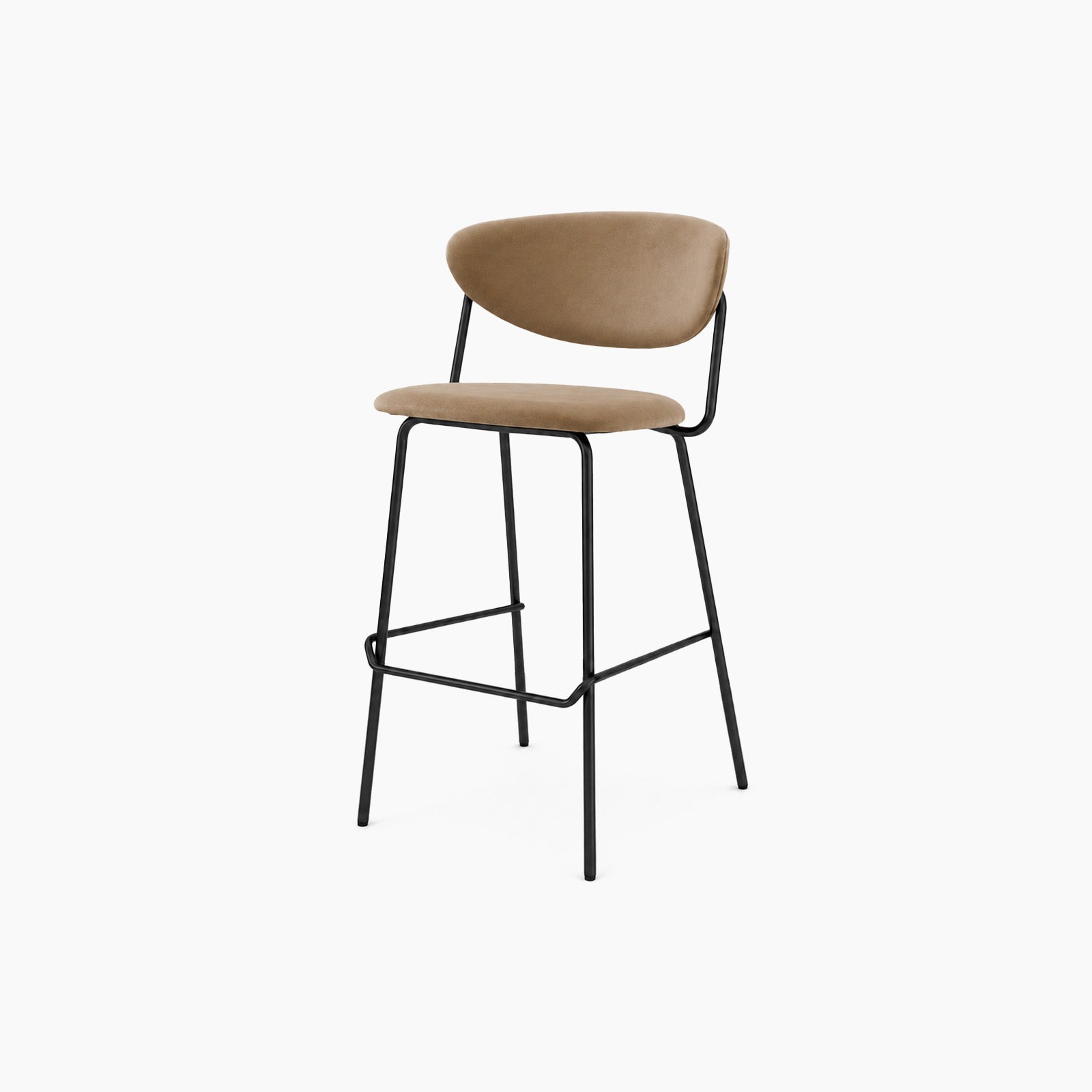
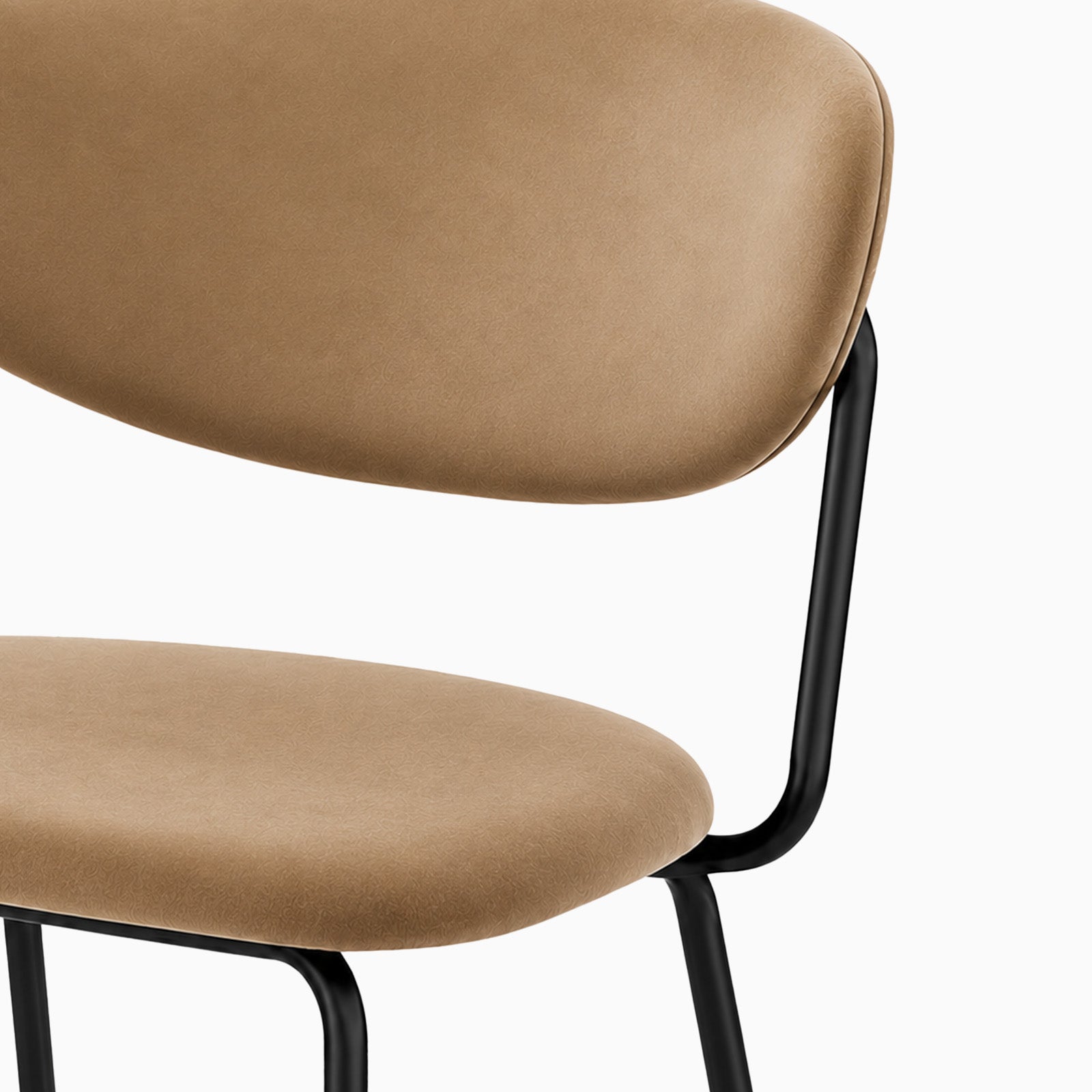
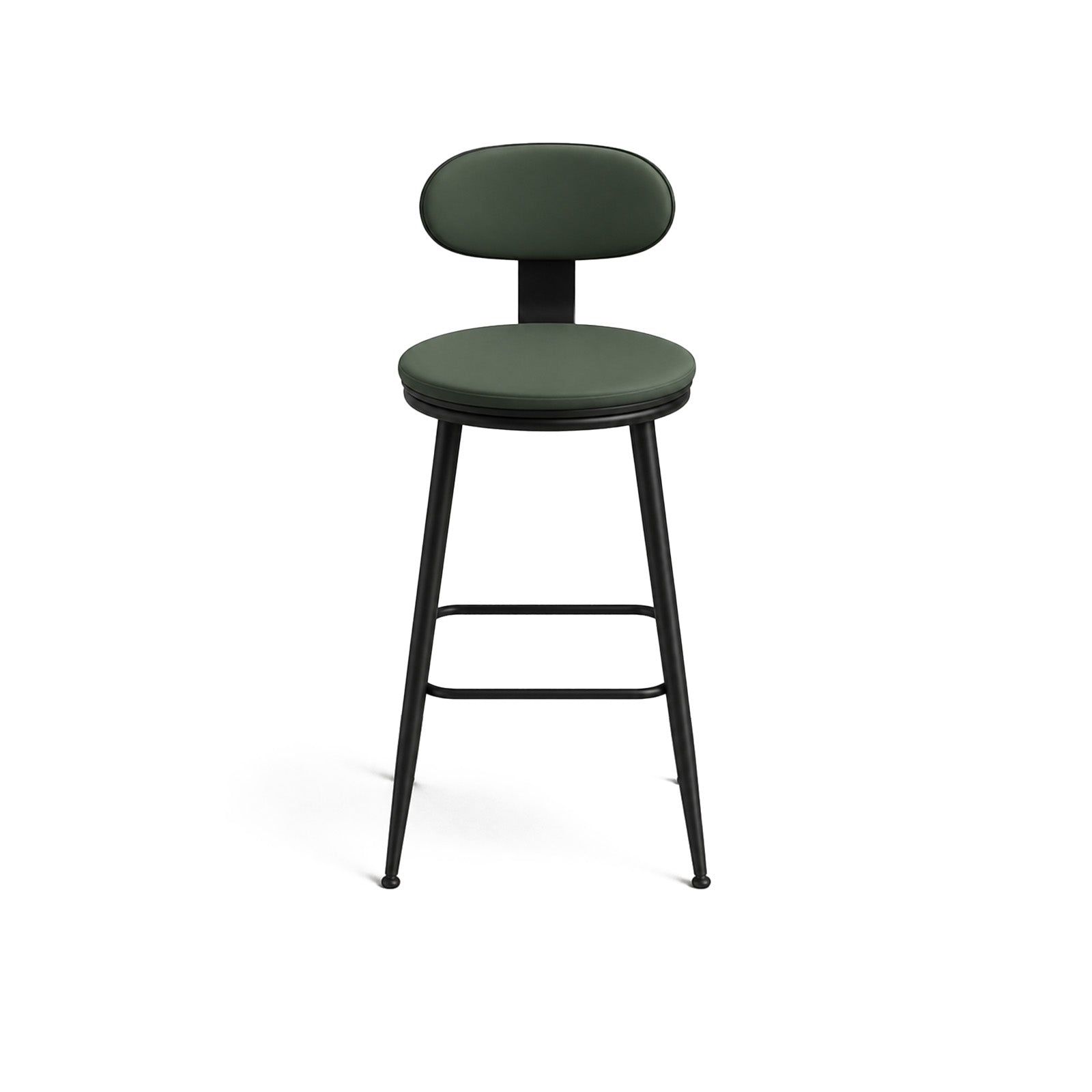
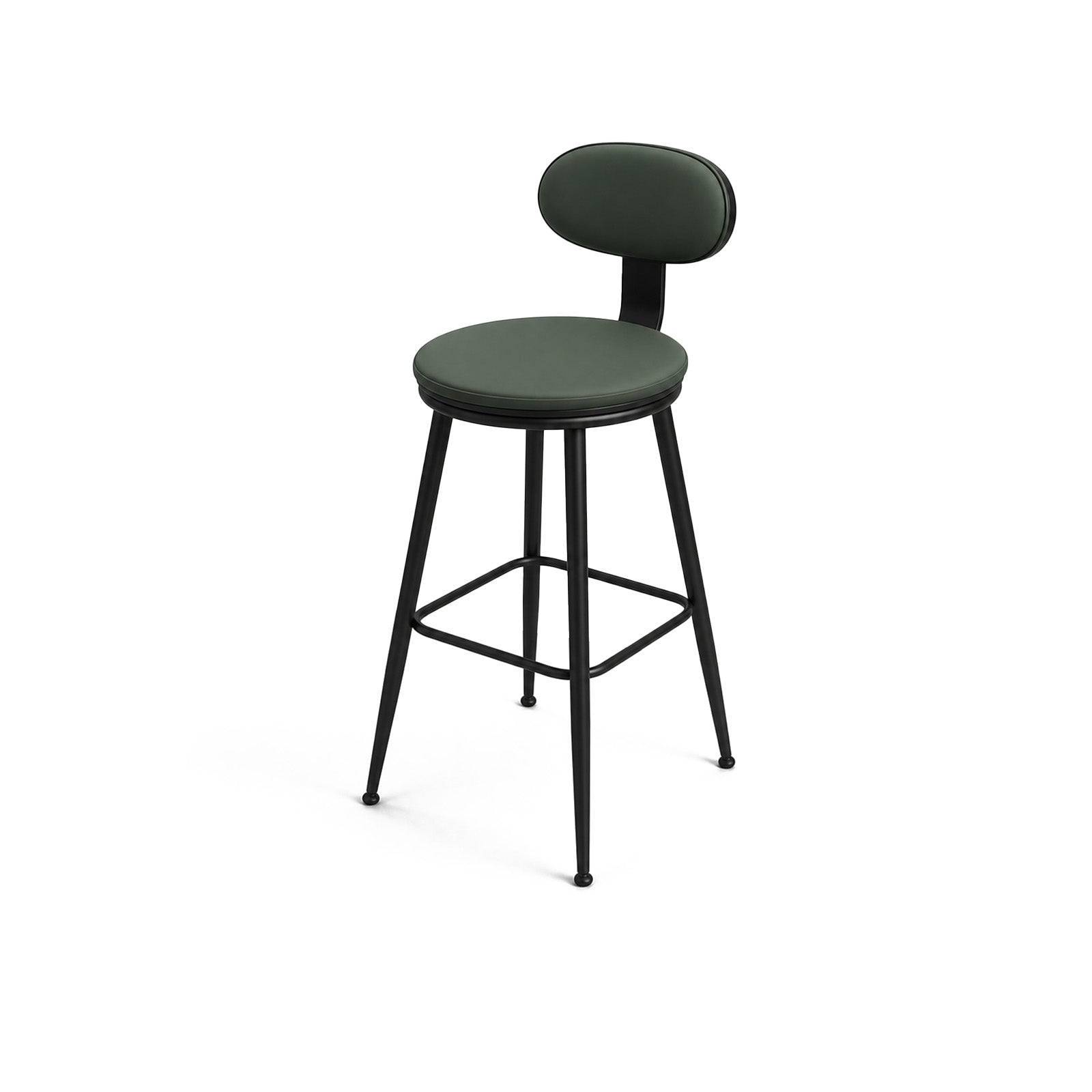
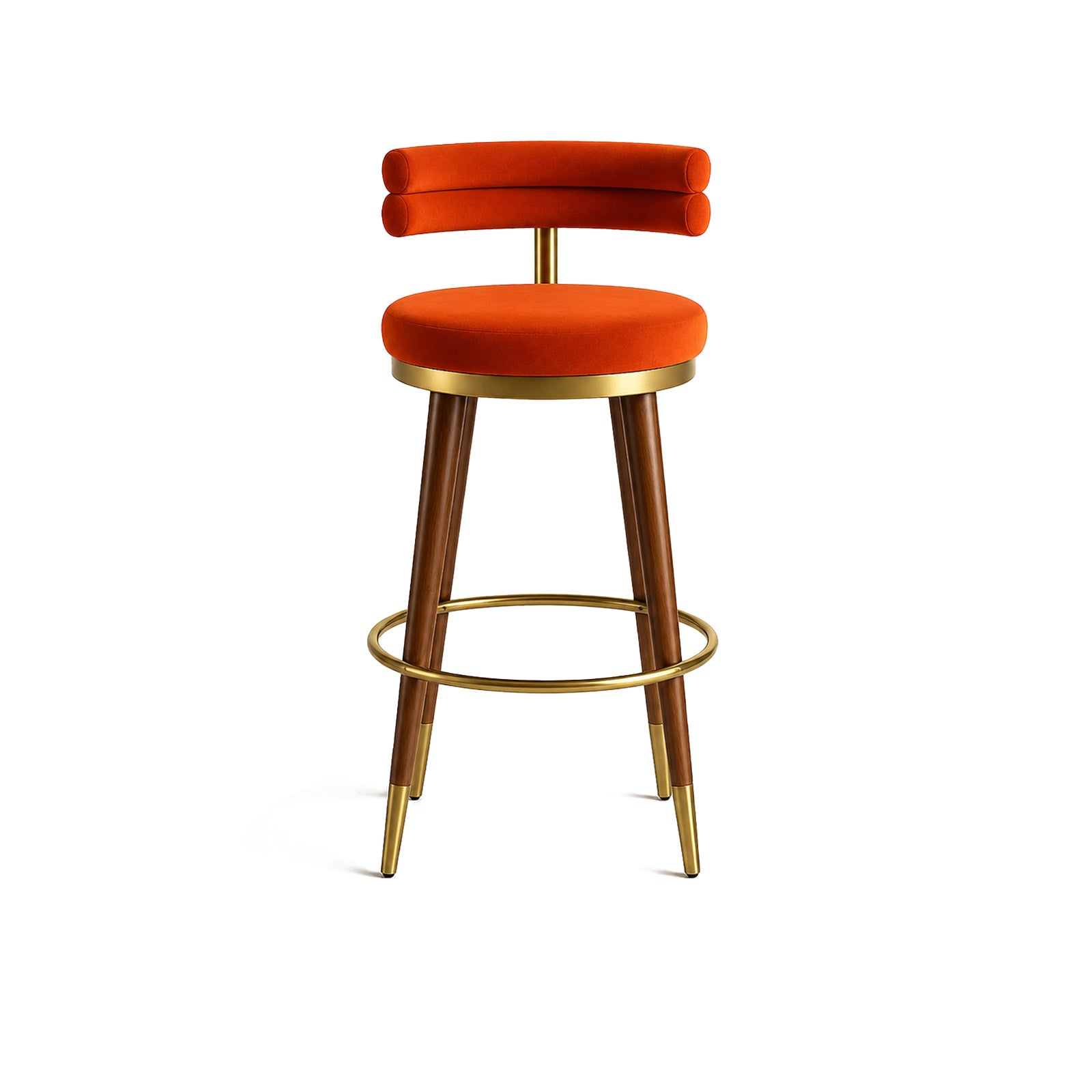
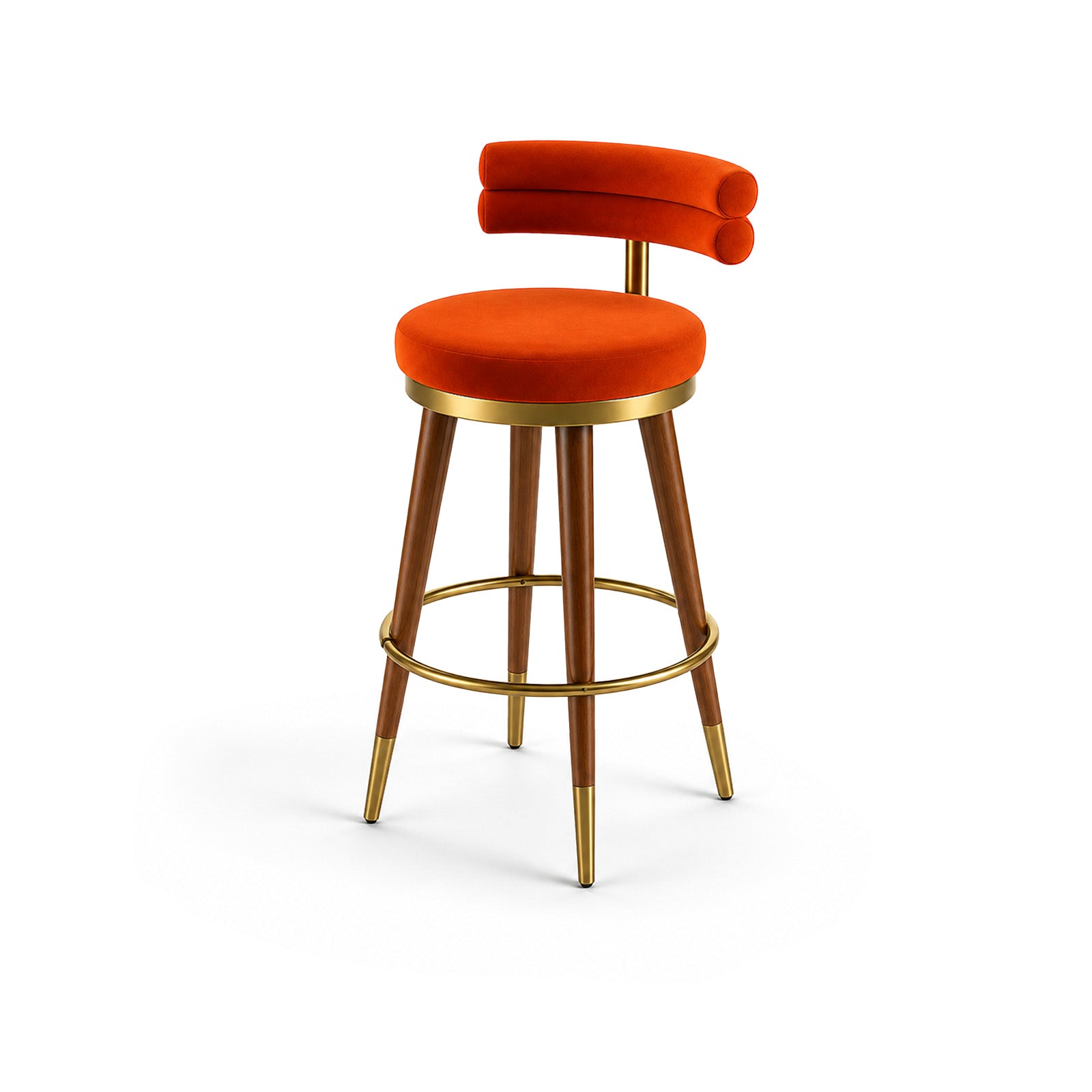
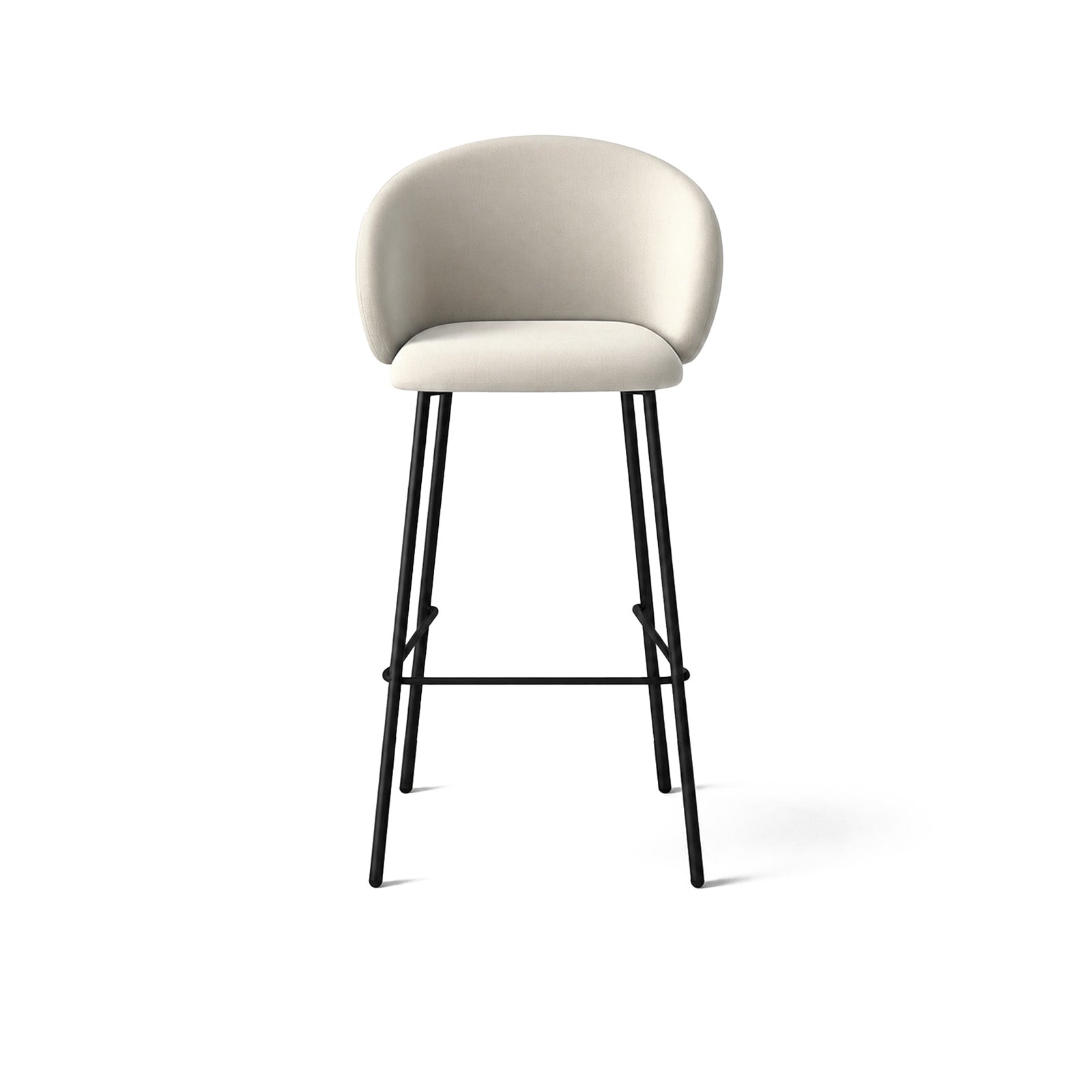
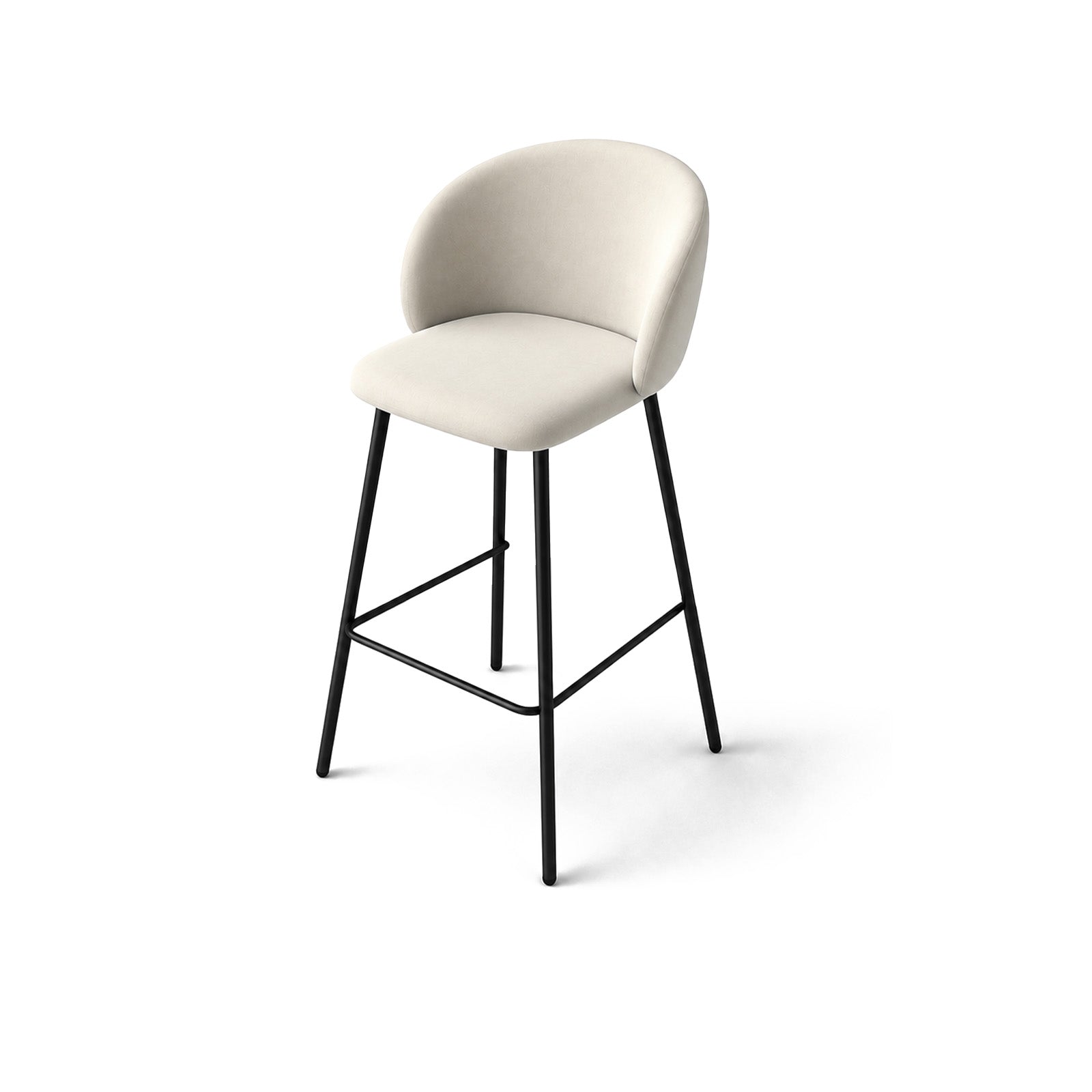
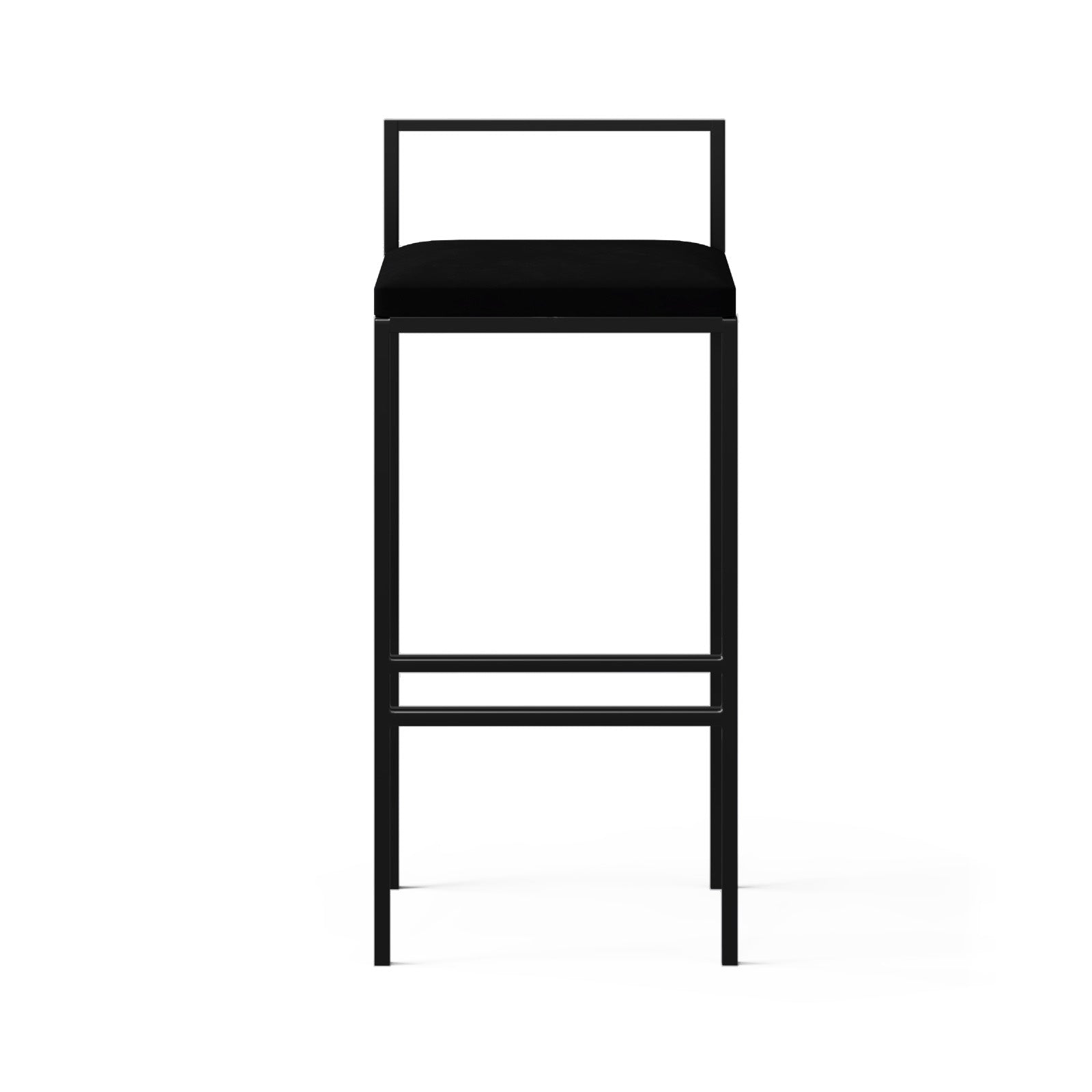
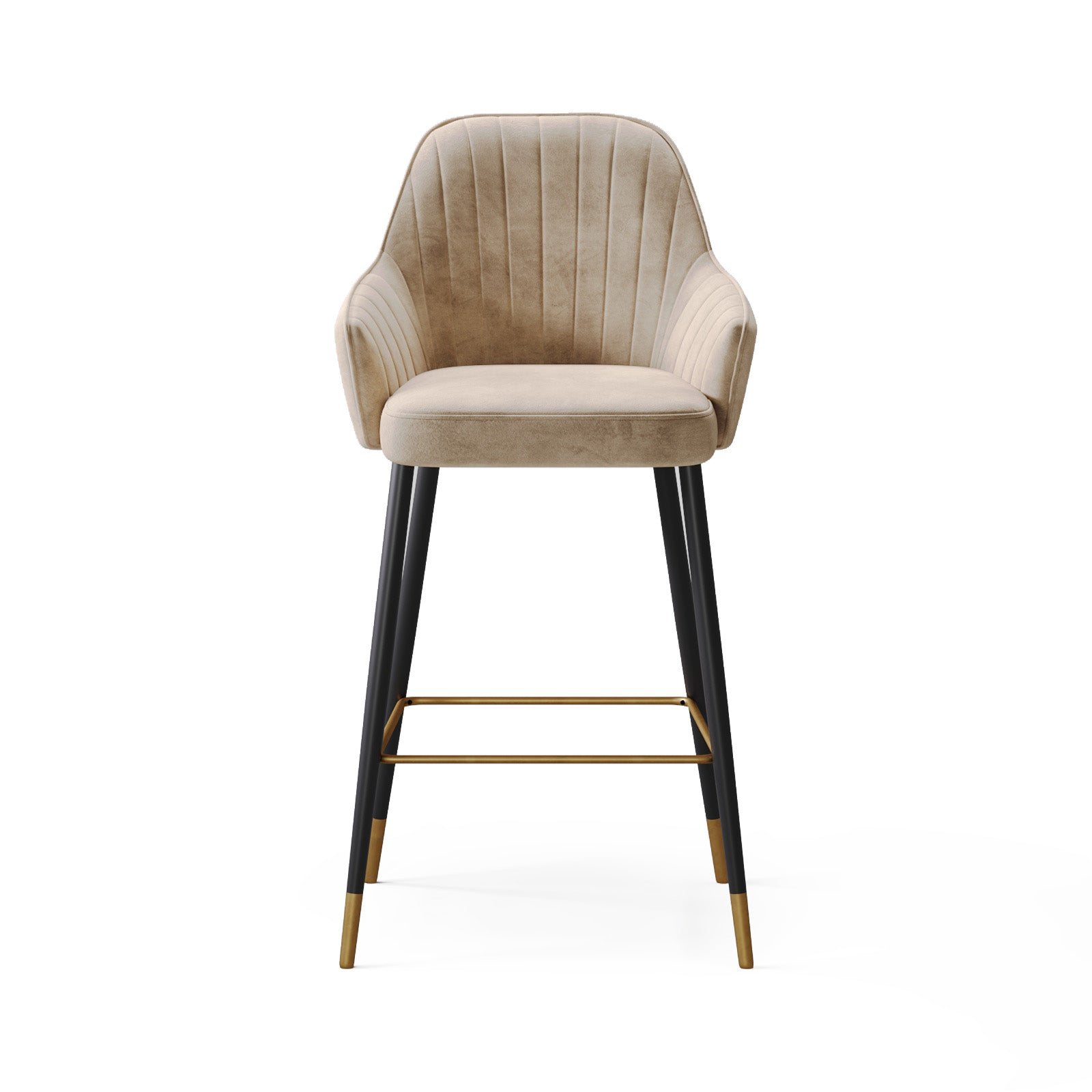
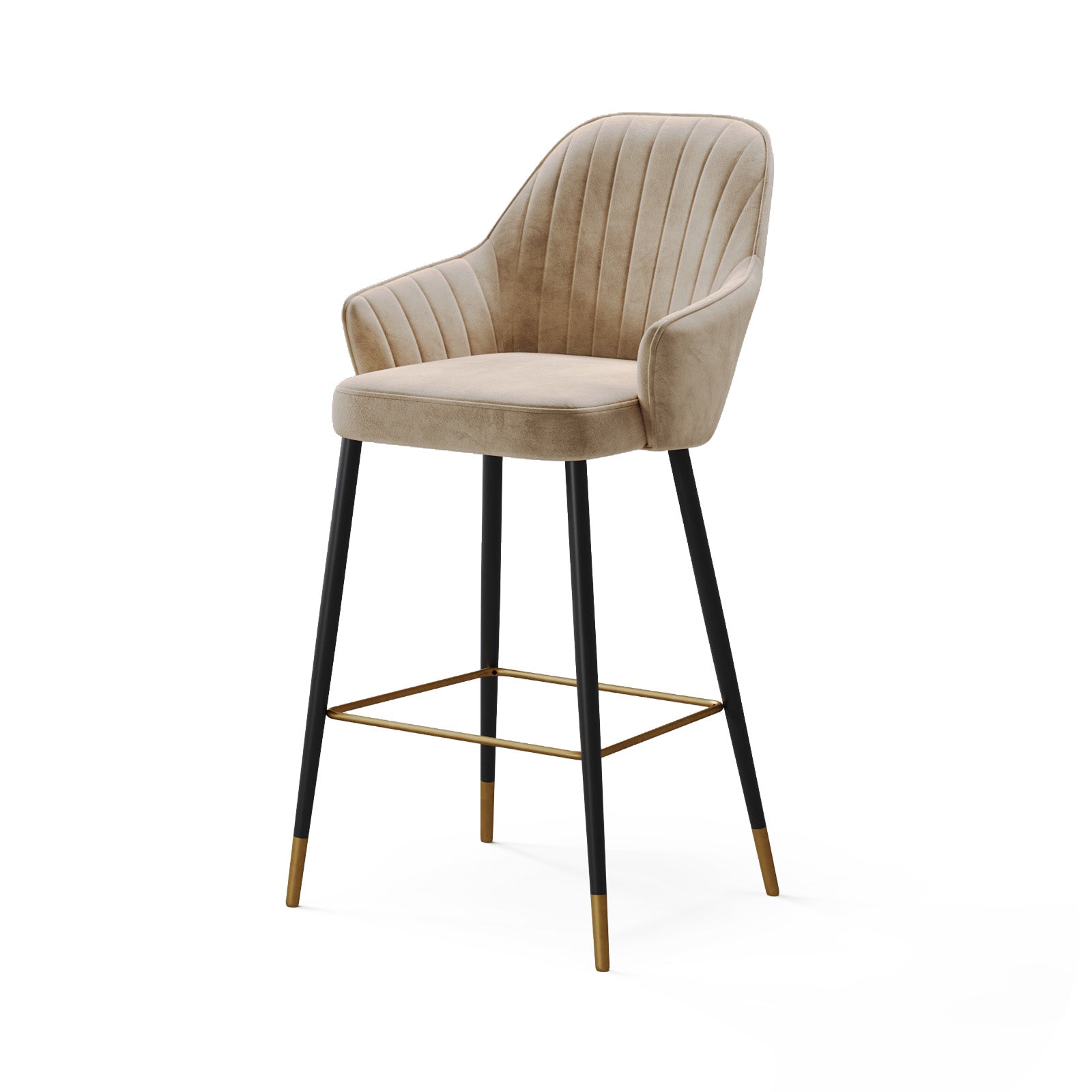
The range covers different looks and budgets. Upholstered designs like the Boho and Lounge bring soft velvet and hard-wearing terylene seats in grey, black, sand and white, with low backs for support during longer sits at the island. Lighter, framed styles like the Copper, Perch and Brew lean more sculptural, with metal and warm wood-tone finishes that read as part of the décor rather than just extra seating. So whether you're after plush modern bar chairs for a home bar, wooden bar chairs to warm up a Scandi kitchen, or slim metal bar chairs that disappear under the counter, there's a bar stool chair here to suit.
Height is what makes a bar chair comfortable, so it's worth measuring before you buy. As a rule of thumb, leave about 25–30 cm between the seat and the underside of your counter: most kitchen islands suit counter-height seating, while taller bar-height tables need a taller stool. Get that gap right and a bar stool height chair feels effortless to slide in and out of; get it wrong and even the best-looking seat feels cramped. If you're not sure which height your surface needs, our team can help you check.
Comfort and durability are built for daily kitchen life. Seats sit on stable, sturdy bases with footrests positioned so your feet rest naturally, and the wipe-friendly terylene and metal finishes shrug off the spills and steam that come with cooking. Backless and low-back options both tuck neatly under an overhang to keep a small kitchen feeling open.
On price, bar chairs start from just 510 AED, so it's easy to seat two or three at a breakfast bar without overspending, with statement pieces available when you want the stools to be a feature. Every product page shows the live sale price, the finish and the colours available, so you can compare options — and you'll find grey, black and white bar chairs for sale that are easy to match to an existing kitchen.
Delivery and assembly are handled across Dubai, Abu Dhabi, Sharjah and the wider UAE, usually within a few business days for in-stock pieces, with light assembly taken care of by our team on delivery. Buying a few breakfast bar chairs at once? They're delivered together.
Browse the full bar chairs range above, filter by colour, finish and price, and find the kitchen bar chairs that turn your counter into the best seat in the house.
Bar Chairs in Dubai — Before You Buy
What seat height do I need for my counter or bar?
Measure from the floor to the top of your counter and subtract about 25–30 cm for the ideal seat height. Standard kitchen islands usually take counter-height stools, while taller bar tables need a taller seat. Getting that clearance right is what makes a bar chair comfortable to sit on and easy to slide under. If you're between heights, send us your counter measurement and we'll recommend the right model.
Do you have leather, wooden or metal bar chairs?
Our bar chairs come as upholstered designs in velvet and hard-wearing terylene, and as framed styles with metal and warm wood-tone finishes — but we don't currently stock leather bar chairs. If you like the leather look, the smooth terylene seats wipe clean just as easily and handle kitchen use well.
Should I choose a backless stool or one with a back?
It depends on how long you sit. For quick coffees and breakfasts, a low-back or backless stool keeps the space open and tucks fully under the counter. If you eat, work or host at the island for longer stretches, a stool with a supportive back is the more comfortable choice.
Which bar chairs work best in a small kitchen?
Slim, low-back or backless designs that slide right under the counter keep walkways clear and stop a compact kitchen feeling crowded. As a guide, allow roughly 55–65 cm of counter width per stool so people aren't bumping elbows — often two well-spaced seats look better than three squeezed in.
Are bar chairs easy to keep clean in a kitchen?
Yes — terylene seats and metal frames wipe down quickly, which is ideal near food and drink. Velvet styles are softer and a little dressier, so spot-clean spills promptly. Keeping any upholstery out of long, direct sun also helps protect the colour over time.
How much do bar chairs cost, and do you deliver across the UAE?
Bar chairs start from 510 AED, with the live price shown on each product page. We deliver across Dubai, Abu Dhabi, Sharjah and the rest of the UAE, usually within a few business days for in-stock pieces, with light assembly handled by our team and multiple stools delivered together.